 The
cycads are known to be an extremely ancient group of seed plants,
and are now recognized as the sister group to all other living
seed
plants. Fossil cycads are known from the Lower Permian of China,
270-280 million years ago, and the group is thought to have arisen
from within the ancient seed ferns, of the later Palaeozoic,
era.
Strictly speaking, most fossil cycads are called cycadeoids and
are classified scientifically in the order Bennettitales. They
remain extant and are
commonly referred to a living
fossils. The
cycads widely radiated and spread in the Permian and early Mesozoic,
and have since continued as a separate lineage. During the Jurassic,
cycads and their kin along with conifers and ginkgos dominated
the
plant
kingdom. Fossil cycads are known from Mesozoic deposits on every
continent and The
cycads are known to be an extremely ancient group of seed plants,
and are now recognized as the sister group to all other living
seed
plants. Fossil cycads are known from the Lower Permian of China,
270-280 million years ago, and the group is thought to have arisen
from within the ancient seed ferns, of the later Palaeozoic,
era.
Strictly speaking, most fossil cycads are called cycadeoids and
are classified scientifically in the order Bennettitales. They
remain extant and are
commonly referred to a living
fossils. The
cycads widely radiated and spread in the Permian and early Mesozoic,
and have since continued as a separate lineage. During the Jurassic,
cycads and their kin along with conifers and ginkgos dominated
the
plant
kingdom. Fossil cycads are known from Mesozoic deposits on every
continent and 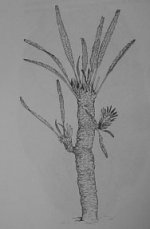 latitude
from Siberia to the Antarctic. latitude
from Siberia to the Antarctic.
The
three extant cycad families are similar to fossils from the early
Tertiary, some 50-60 million years ago. There are also about 19
extinct cycad genera known only as fossils, all from the Paleozoic
and Mesozoic eras, excluding the form taxa, that is, isolated leaf
or stem fossils that are clearly cycads but cannot be placed in
a known family or genus.
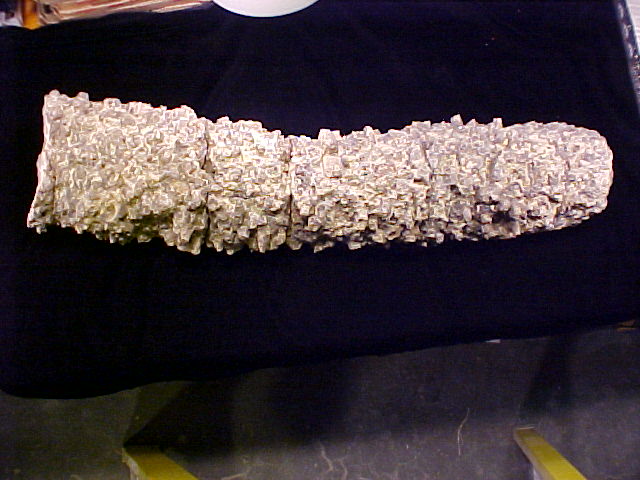
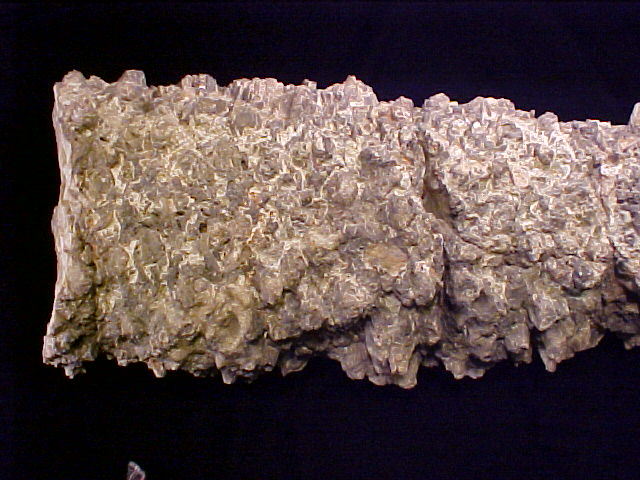
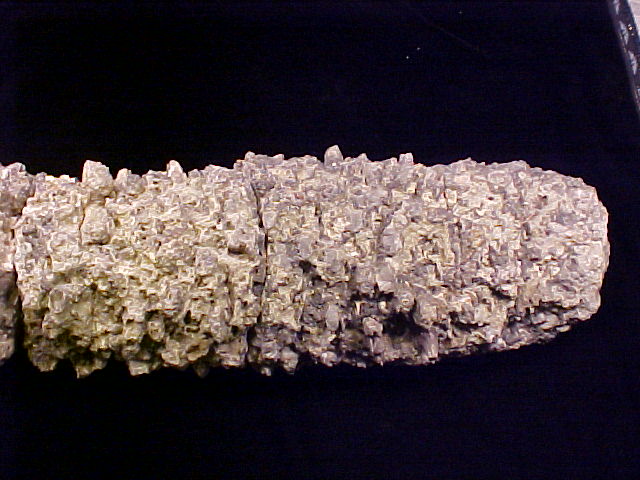
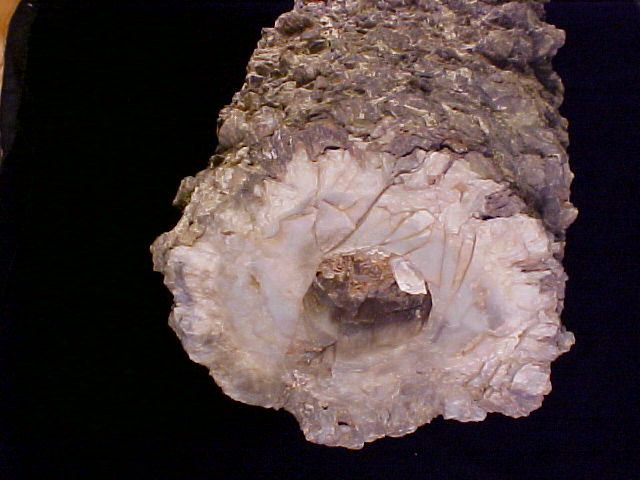
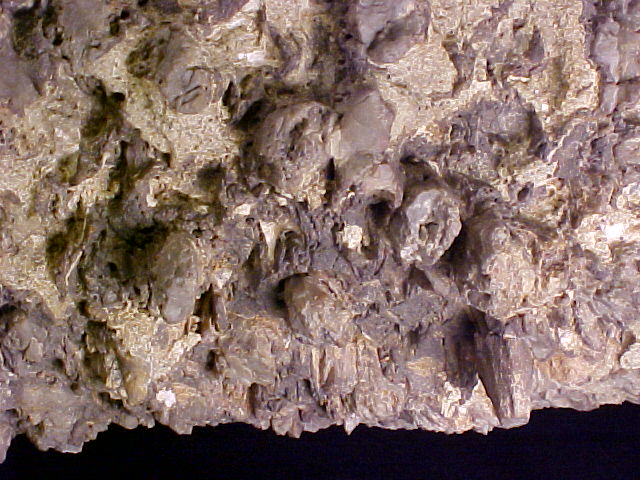
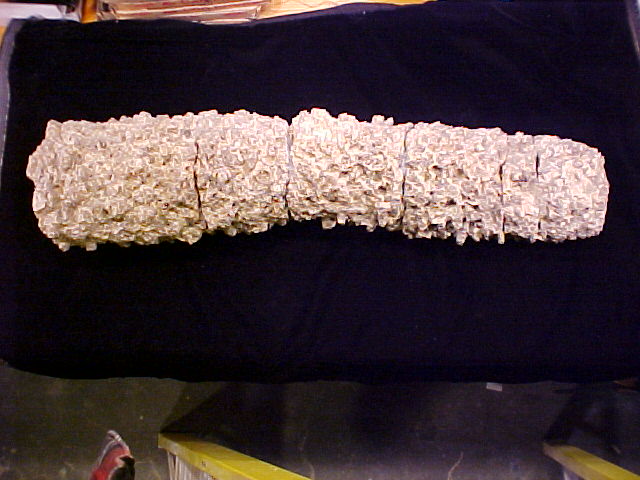
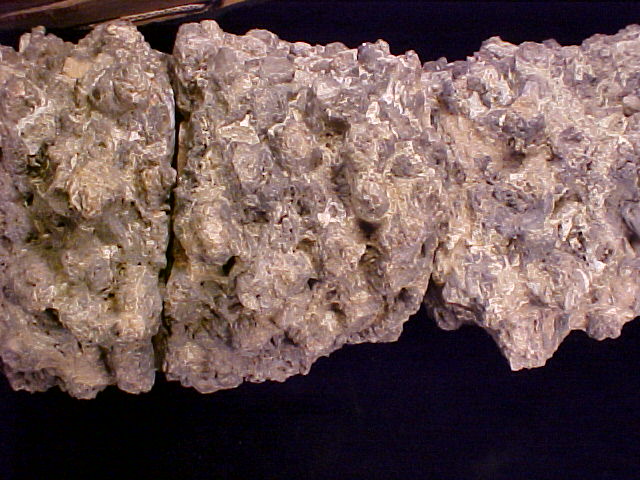
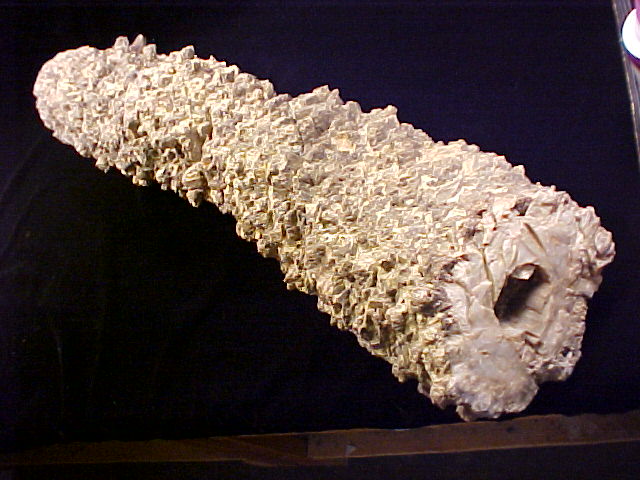
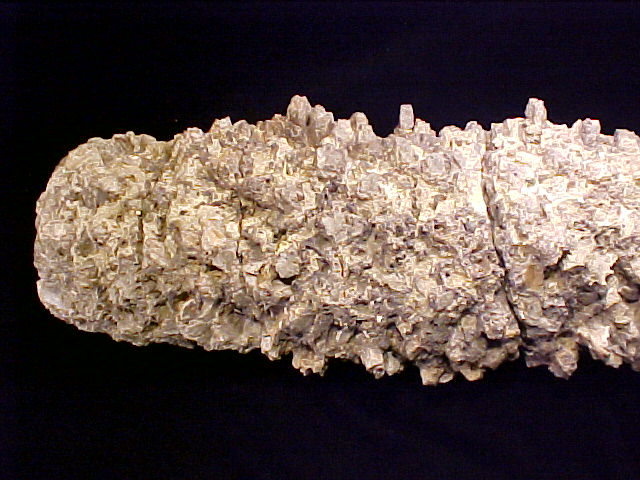
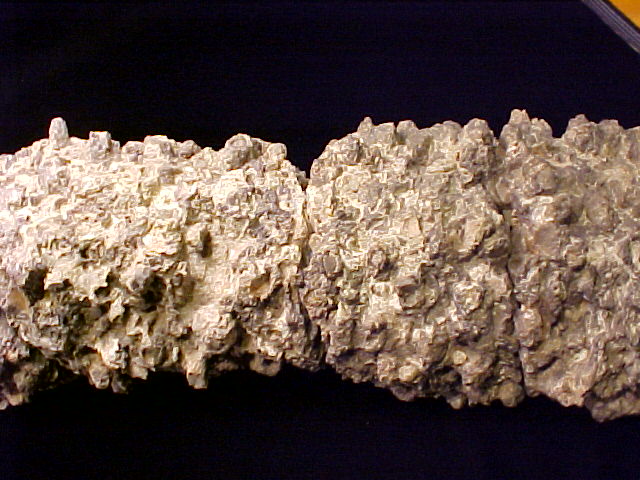
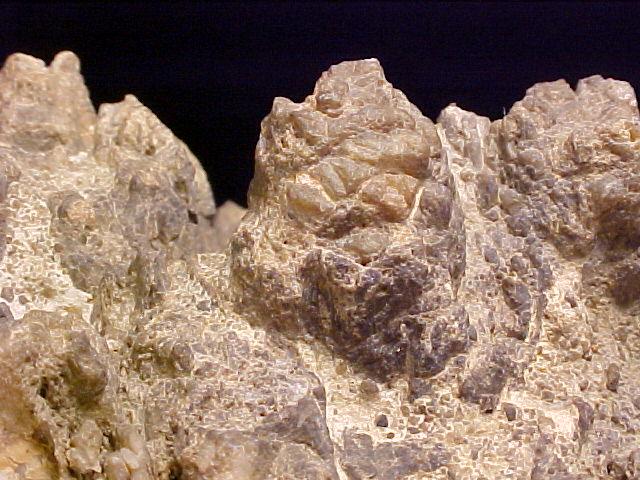
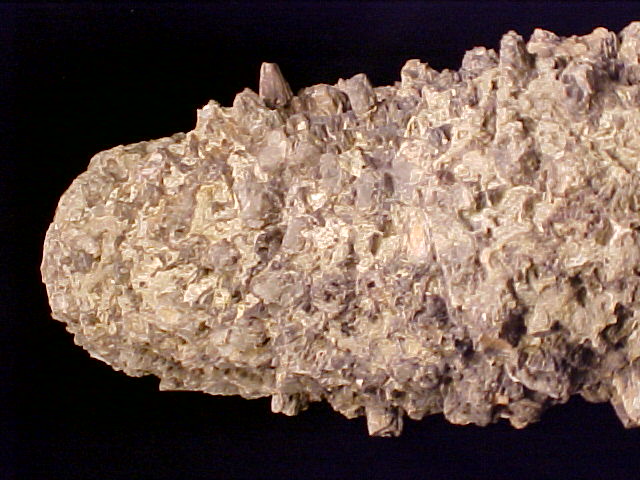
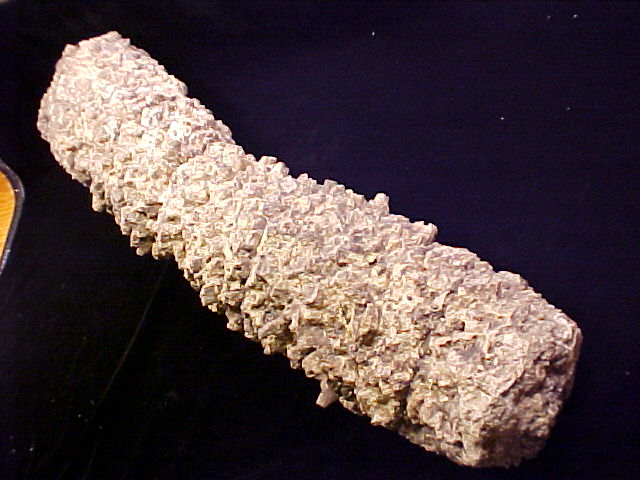
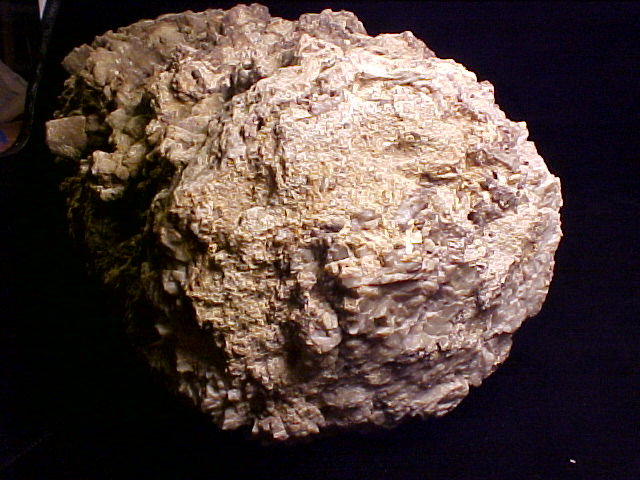
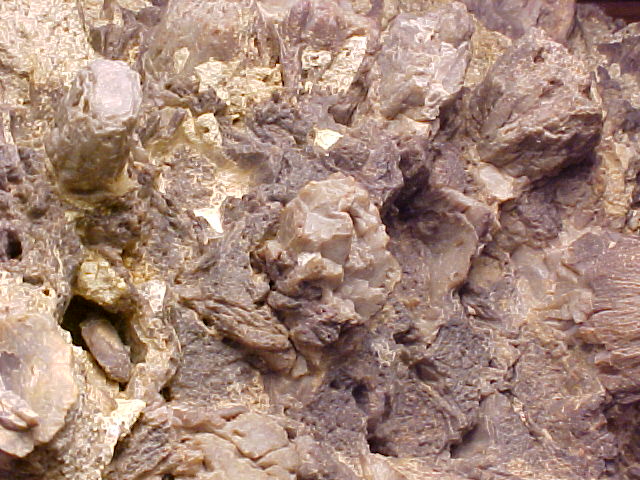
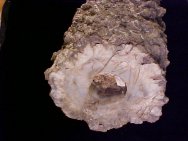 Coming
from the famous Morrison Formation in Utah, this enormous an
exceedingly
rare cycad fossil trunk is of the genus Bucklandia and dates to
the Jurassic. Climates of Jurassic Utah were mild and moist,
as
attested to by the rich fossil record of the Morrison Formation
from where this cycad fossil comes. Plant and dinosaurs fossils
are
typically
found in the Morrison Formation, including Cycads, ginkgos, conifers,
horsetails among plants and Allosaurus, Camptosaurus, Stegosaurus,
and Camarasaurus among dinosaurs. The
Jurassic Period is sometimes called the "Age of Cycads" because
they were so common then. Cycads probably were eaten by some
of the herbivorous dinosaurs. Petrified cycads are commonly
found in the same rocks with dinosaur bones. Coming
from the famous Morrison Formation in Utah, this enormous an
exceedingly
rare cycad fossil trunk is of the genus Bucklandia and dates to
the Jurassic. Climates of Jurassic Utah were mild and moist,
as
attested to by the rich fossil record of the Morrison Formation
from where this cycad fossil comes. Plant and dinosaurs fossils
are
typically
found in the Morrison Formation, including Cycads, ginkgos, conifers,
horsetails among plants and Allosaurus, Camptosaurus, Stegosaurus,
and Camarasaurus among dinosaurs. The
Jurassic Period is sometimes called the "Age of Cycads" because
they were so common then. Cycads probably were eaten by some
of the herbivorous dinosaurs. Petrified cycads are commonly
found in the same rocks with dinosaur bones.
|