
Lebanese Lagerstätte Fossils
Fossils of the Cretaceous Sublithographic limestone deposits in LebanonA World-Class Lagerstätte |
|
Also see: Lagerstätte Definition; The World's Primary Lagerstätten Fossil Sites |

| While
far less famous than other fossil sites exhibiting exquisite
preservation, the sublithographic
limestone deposits near Sahel Alma, Hajoula and Haqel,
Lebanon have emerged to be recognized as truly world
class. The strata date to the Cenomanian Stage of the
Middle Cretaceous,
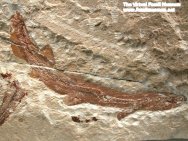
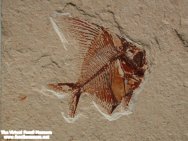
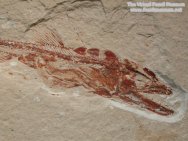
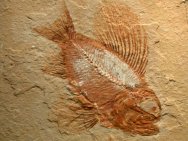
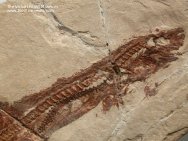
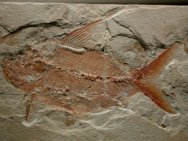
some 93-97 million years ago. While best known for magnificant
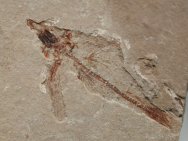
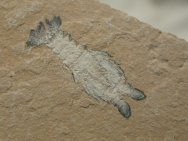
fish fossils, the site yield a wide diversity of other
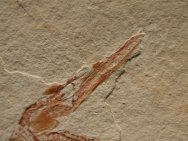
marine life, particularly invertebrates such
as shrimp and lobsters.
The deposits
were made when the region was made up of warm and shallow
seas with small basins. These deposits now rest
some 270 meters below the current surface. Geologists now
believe these basins had their origins at the intersection
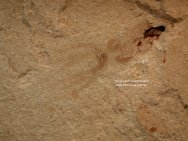
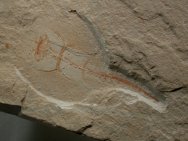
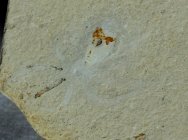
of block fault Octopus fossils are found in the Lebanese Lagerstätte, and are greatly prized because these soft bodied animals (except for beak and vestigal shells in some species), are rarely preserved in any fossil site. Some plants are are found as fossils, though they are rare. Among the three distinct fossil localities, there is some overlap of fish genera, but many genera are locally unique. The sites were first noted in the scientific literature. In 2001, a pterosaur was described from the Hâqel site.
| ||||||||||||||||||||||||||||||||||||||||||||||


Fossil
Museum Navigation:
Home Geological Time Paleobiology Geological History Tree of Life Fossil Sites Fossils Evolution Fossil Record Museum Fossils |